
Early Childhood Education · Childcare Industry
How to Spot a Reliable Babysitter Before the First Shift
Finding childcare you can trust is about more than availability. For busy parents, the real question is whether a babysitter can step into your family’s rhythm with calm, care, and good judgment....
Finding childcare you can trust is about more than availability. For busy parents, the real question is whether a babysitter can step into your family’s rhythm with calm, care, and good judgment. At MatchSitters, we believe the best way to learn that is to listen closely to how a sitter talks about real childcare experience.
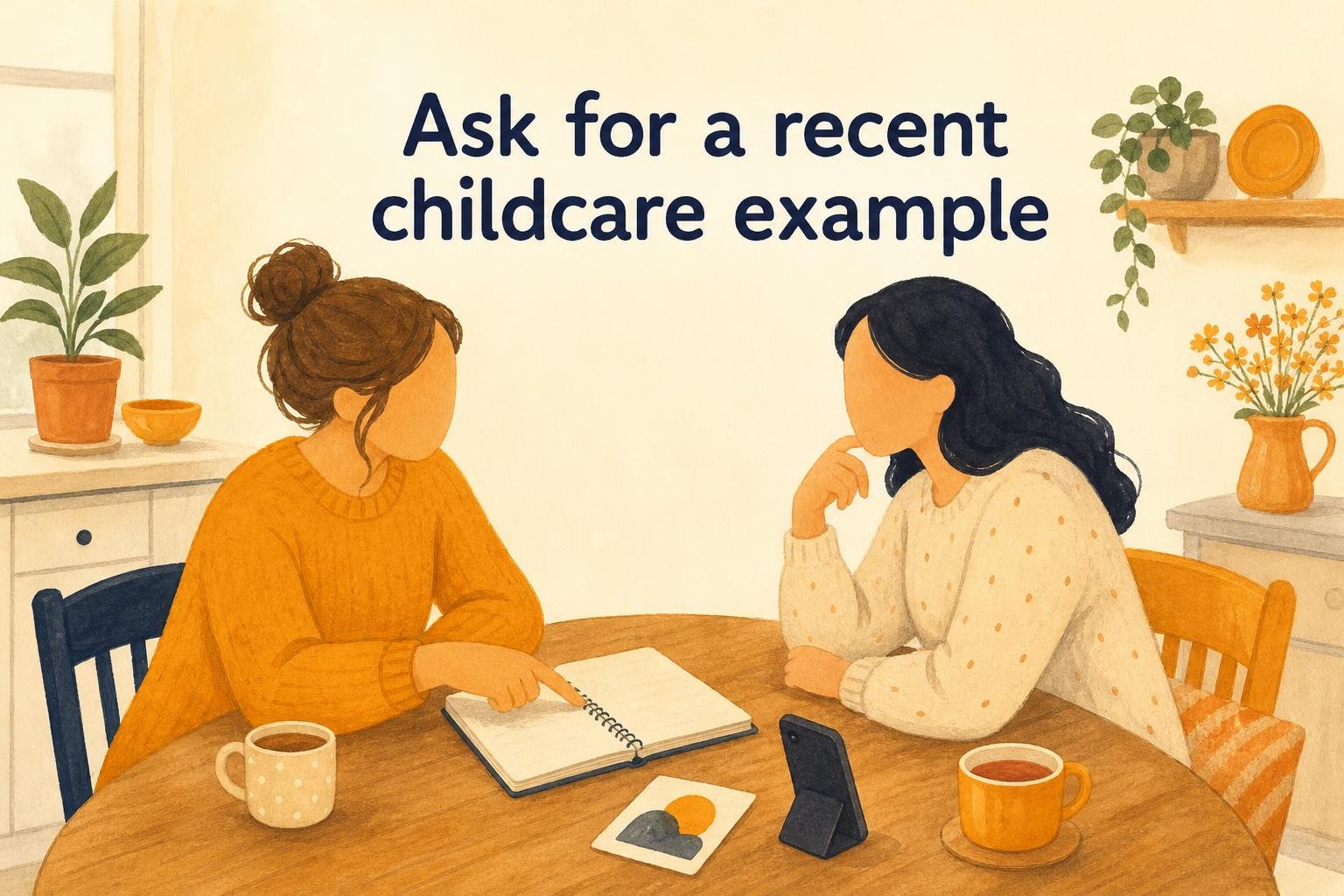
One of the simplest and most useful checks is to ask for a recent example. A strong answer usually includes details: the child’s age, the part of the day they covered, and what they did when something changed. For example, a sitter might describe after-preschool pickup, helping with dinner, and calling the parent when a fever started. That kind of answer shows more than experience alone. It shows attentiveness, responsibility, and the ability to respond when plans shift.
A vague answer, by contrast, stays broad: “I’ve done lots of babysitting.” That may sound confident, but it does not tell us much about how the sitter actually cares for children. Families deserve more than a general promise. They deserve to hear how a caregiver thinks, notices, and responds in real moments.
Four checks to make before the first shift
Before the first booking, we suggest asking four practical questions. First, ask which age groups the sitter has cared for most recently. Recent experience matters because caring for toddlers, preschoolers, and school-age children can look very different. A sitter who can speak clearly about the children they have cared for lately is often better prepared for your child’s current stage.
Second, ask how they handle bedtime, meals, and upset moments. These are the times when a sitter’s approach becomes visible. Do they stay calm? Do they follow routines? Do they know how to comfort a child while still keeping the evening moving? Their answer can reveal whether they will support your family’s day in a steady, respectful way.
Third, ask whether CPR or first aid is current and when it was last renewed. Safety training is an important part of childcare, and it is reasonable to ask directly. Families should feel comfortable knowing whether a sitter’s training is up to date before leaving a child in their care.
Fourth, call one reference and ask about punctuality, judgment, and follow-through. A reference can help confirm what a sitter says about themselves. Did they arrive on time? Did they communicate clearly? Did they do what they said they would do? These simple questions can offer a helpful picture of reliability.
What to notice in person
If you meet a sitter in person, pay attention to the questions they ask. Do they ask about allergies, routines, and emergency contacts without being prompted? That kind of follow-up is meaningful. It suggests the sitter is already thinking like a caregiver, not just a helper for hire. They are considering the child’s needs, the family’s expectations, and the practical details that keep care running smoothly.
That attention matters because trustworthy childcare is built on small, thoughtful actions. A sitter who asks good questions is often showing that they understand what responsible care looks like before the first shift even begins.
A simple path to more confident childcare choices
Parents do not need a complicated process to make a wiser choice. A few clear questions, one reference call, and a careful in-person conversation can tell us a great deal. When we listen for specifics, we are more likely to find a sitter who is prepared, responsive, and aligned with our family’s needs.
At MatchSitters, we encourage families to trust both the answers they hear and the details they do not hear. Specifics build confidence. Curiosity builds trust. And when childcare feels reliable, families can breathe a little easier.
For more family-focused guidance and trusted childcare support, visit MatchSitters. You can also explore our childcare matching approach to learn more about how we support families and early childhood educators.